
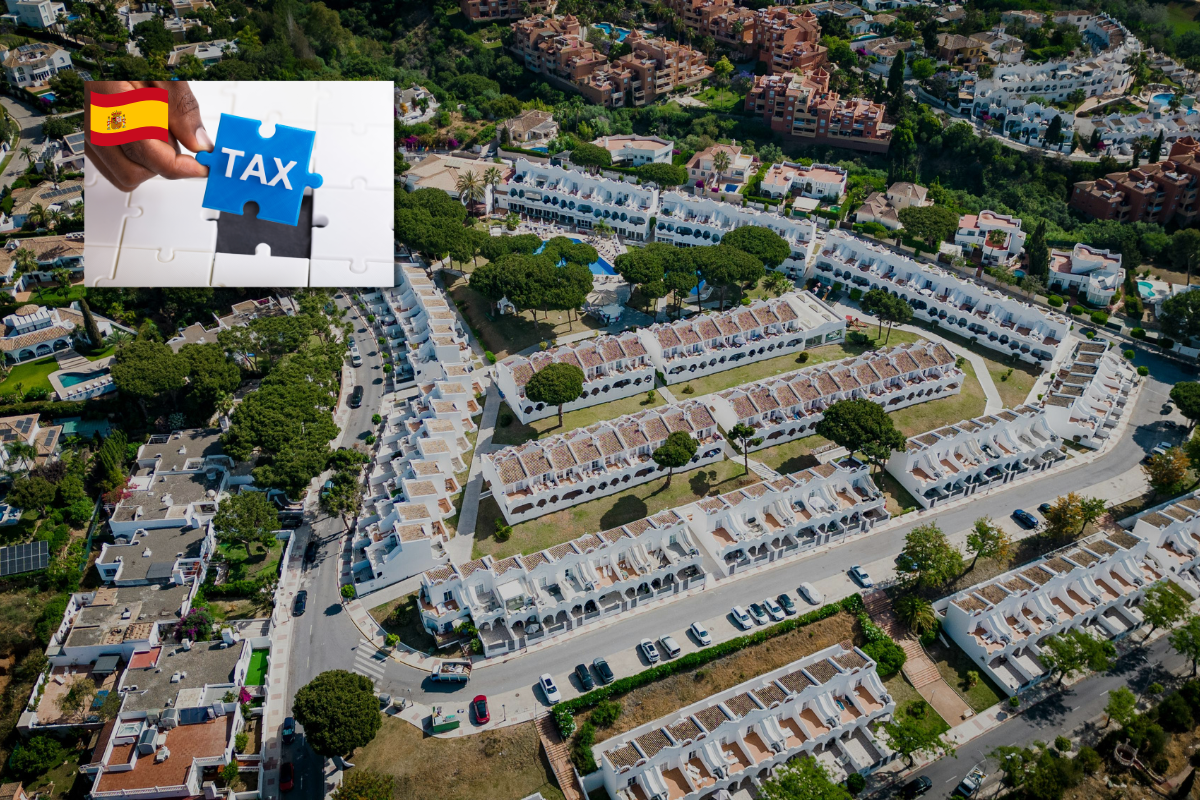
Most buyers in Spain focus on entry costs.
Smart investors, however, look at the exit taxes and fees.
This is because taxes and fees can significantly reduce your profit when you sell — or even create a loss if prices don’t increase enough.
What Taxes Do You Pay When Selling Property in Spain?

When selling property, you typically face:
- Capital Gains Tax (CGT)
- Plusvalía Municipal (local land tax)
- Agent fees (3% – 6%)
- Legal costs (optional but recommended)
Capital Gains Tax (CGT)
Plusvalía Municipal
Capital Gains Tax (CGT)
Real Example: Break-Even Scenario
Let’s say you buy and sell a property at the same price:

Purchase:
- Property price: €100,000
- Entry costs (~10%): €10,000
👉 Total investment: €110,000
Sale:
- Selling price: €100,000
- Agent fee (5%): €5,000
- Plusvalía: €2,000
👉 Net after sale: €93,000
Final Result:
- Invested: €110,000
- Received: €93,000
👉 Loss: €17,000
What Does This Mean?
To break even, your property needs to increase in value by:
👉 15% – 20%+

And that’s without renting it.
Why Spain Is Not a Speculator Market
This is exactly why Spain—especially areas like Costa del Sol—is not ideal for aggressive short-term flipping:
- ~800,000 housing shortage
- Strong international demand
- High transaction costs
- Long-term ownership rewarded
👉 The system favors stable investors, not quick speculation.
2026 Trend & Market Insight and Key Takeaway

- Prices continue to grow due to limited supply
- Demand from foreign buyers remains strong
- Rental demand supports long-term returns
👉 Profit in Spain comes from:
- Capital appreciation over time
- Rental income
- Smart buying (below market value)
Buying is easy.
Owning is predictable.
Exiting is where strategy matters most.
If you’re not planning for:
- taxes
- fees
- time horizon
👉 you’re not planning your investment.
Leave a Reply